
Finding out you have COPD is scary. Really scary.

Your doctor uses big medical words you don’t understand. They give you a bunch of prescriptions. Then they send you home, and you’re left wondering, “Now what?”
When I got diagnosed with COPD in 2008, I felt lost. Nobody explained what my life was actually going to be like. They told me the medical stuff, but not the real stuff—the things that actually matter when you’re trying to live day-to-day with this disease.
I had to figure everything out the hard way. And I made a lot of mistakes.
So if you just got diagnosed with COPD, or if you’ve been dealing with it for a while and still feel confused, here are five things I wish someone had told me from the start.
[IMAGE SUGGESTION 1: Photo of someone looking concerned while talking to a doctor, or holding prescription bottles looking confused]
1. Stop What’s Hurting Your Lungs—Right Now, Today
This sounds obvious, but I didn’t take it seriously enough when I was first diagnosed.
If you smoke, you have to stop. I know that’s hard. Really hard. But every single cigarette does more damage to your lungs. And with COPD, you can’t afford any more damage.
Your lungs are already hurt. Smoking makes them worse. Period.
If you work around smoke, chemicals, dust, or fumes, you need to protect yourself. Wear a real mask—not those thin paper ones, but a proper respirator mask that actually keeps bad stuff out of your lungs.
Even better? Get away from those environments completely if you can.
I worked as a TV news reporter for years. I covered fires all over the place. I was at Ground Zero in New York for three weeks after the 9/11 attacks, breathing in dust and smoke without wearing a mask. I thought I was tough enough to handle it.
I was wrong. Nobody’s lungs are tough enough.
All that exposure damaged my lungs. Combined with smoking, it destroyed them.
Here’s what happens: Every time you breathe in smoke, chemicals, or dust, it hurts the tiny air sacs in your lungs. Once they’re damaged, they don’t heal. They’re gone forever.
So protect what you have left. Your future self will thank you.
What you can do today:
- If you smoke, talk to your doctor about programs to help you quit
- If you work in a dusty or smoky place, get a good respirator mask (N95 or better)
- Avoid places with strong fumes (paint stores, chemical cleaners, heavy traffic)
- Stay inside on high pollution days
2. Your Medications Work Even When You Don’t Feel Them Working

This was one of my biggest mistakes.
Sometimes I felt pretty good. I wasn’t coughing too much. I could breathe okay. So I thought, “Why do I need all these medications?”
So I stopped taking some of them. Or I’d skip days. Or I’d run out and not refill them right away because I didn’t think they were doing anything.
Big mistake. Huge.
Here’s what I didn’t understand: COPD medications aren’t like pain medicine. When you take pain medicine, you feel better right away. You know it’s working.
COPD medications are different. They work slowly, in the background. You don’t feel them working, but they are.
They’re keeping your airways open. They’re reducing inflammation in your lungs. They’re preventing flare-ups. They’re slowing down how fast the disease gets worse.
When I stopped taking my medications, I didn’t feel worse right away. But over weeks and months, I got worse. A little more tired. A little more out of breath. A little harder to do normal things.
When I started taking them again, I realized how much I had gone downhill without them.
Think of it like this: Imagine you’re in a boat that’s slowly sinking. Your medications are like someone bailing water out of the boat. You might not notice them doing it, but if they stop, eventually you’re going to sink.
What you need to know:
- Take your medications every single day, even when you feel good
- Don’t skip doses
- Don’t run out—refill your prescriptions before you’re completely out
- If you think a medication isn’t working, talk to your doctor before you stop taking it
The medications you feel working (like rescue inhalers when you can’t breathe) are important. But the medications you don’t feel working (like daily maintenance inhalers) are just as important—maybe even more important.
3. Losing Weight Really Does Help You Breathe Better
I didn’t believe this when my doctor first told me. How could losing a few pounds make breathing easier? It sounded too simple.
But it’s true. And I noticed the difference.
Here’s why weight matters: When you’re carrying extra weight, your body has to work harder to do everything. Your heart works harder. Your lungs work harder. Even just sitting still takes more effort.
It’s like wearing a heavy backpack all day, every day. Everything is harder. You get tired faster. You run out of breath quicker.
When I started losing weight, I felt the difference with every five pounds. Not a huge difference, but enough that I noticed. Breathing got a little easier. Walking around wasn’t quite as exhausting.
I also learned something important: Certain foods made my breathing much worse.
Foods that made me bloated were the worst. When my stomach was full and bloated, it pushed up against my lungs. I couldn’t take a deep breath. I felt like something was sitting on my chest.
Foods that made my breathing worse:
- Big, heavy meals (eating too much at once)
- Greasy, fried foods
- Beans (they made me gassy and bloated)
- Soda and carbonated drinks
- Some dairy products
Your problem foods might be different than mine. Pay attention to how you feel after eating. If you notice you’re more out of breath or your stomach feels bloated after certain foods, try not eating them for a week and see if you feel better.
How I lost weight (even though I couldn’t really exercise):
I couldn’t go to the gym. I couldn’t go for runs. Some days I could barely walk to the mailbox.
But I still lost weight. Here’s what worked:
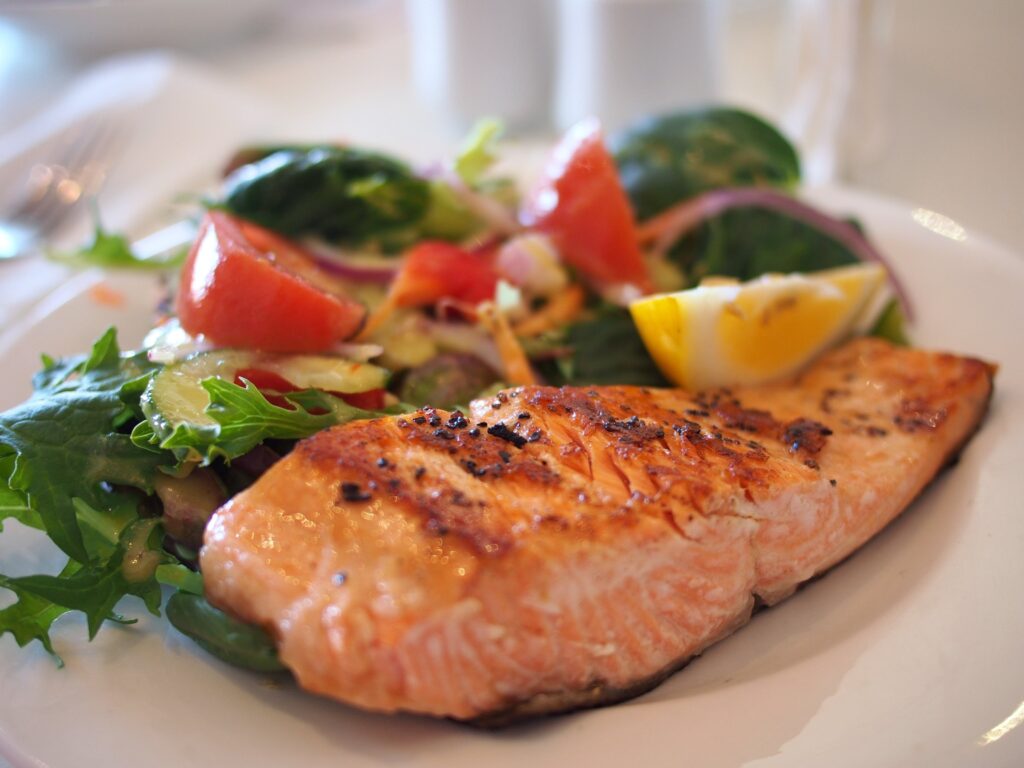
Ate smaller meals throughout the day – Instead of three big meals, I ate five or six small ones. This kept me from getting too full, which made breathing easier.
Cut out most junk food – Chips, cookies, fast food—that stuff made me feel worse. I didn’t eat perfectly, but I cut out most of the junk.
Drank more water – This helped thin the mucus in my lungs and made breathing easier. Plus, sometimes when I thought I was hungry, I was just thirsty.
Moved when I could, even a little bit – I couldn’t exercise like normal people. But I could stand up and sit down a few times. I could lift my arms while sitting. I could walk to the kitchen and back. It wasn’t much, but it was something.
You don’t have to lose 50 pounds overnight. Start with five pounds. See how you feel. Then lose another five.
Every little bit helps.
4. You Have to Slow Down—And That’s Okay
Before COPD, I moved fast. I worked in TV news in New York. Everything was rush, rush, rush. Move quickly. Get it done. Go, go, go.
COPD took all of that away.
I had to learn to slow down. Way down.
I had to learn to:
- Think about every movement before I did it
- Rest between tasks
- Take breaks even when I didn’t think I needed them
- Accept that I just can’t do things as fast as I used to
That was really hard for me. I felt frustrated. I felt angry. I felt like my body was betraying me.
But once I accepted it and stopped fighting it, life got a little easier.
Here’s what slowing down looks like in real life:
Getting dressed: I used to throw on clothes and rush out the door. Now I lay out my clothes the night before. I sit down to put on my pants and shoes. I rest between putting on my shirt and my pants. It takes longer, but I don’t end up gasping for breath.
Doing chores: I used to clean the whole house in one day. Now I do one room at a time, with rest breaks. Maybe I clean the kitchen on Monday, the bathroom on Tuesday. It’s slower, but I actually get it done instead of wearing myself out.
Walking: I used to walk fast everywhere. Now I walk slowly and steadily. I stop and rest when I need to. I’m not trying to win a race.
You can’t fight COPD by pushing through it. That just makes things worse. You have to work with it.
Slow down. Plan ahead. Rest when you need to. There’s no prize for doing things fast anymore.
The prize is getting through the day without completely exhausting yourself.
5. You’re Going to Lose Some Independence—And That’s the Hardest Part
Nobody wants to talk about this. But it’s the truth, and I wish someone had prepared me for it.
There are things you used to do easily that you won’t be able to do anymore.
You’ll find this out slowly, over time, as the disease gets worse. One day you realize you can’t carry the groceries in from the car anymore. Or you can’t mow the lawn. Or you can’t play with your grandkids the way you used to.
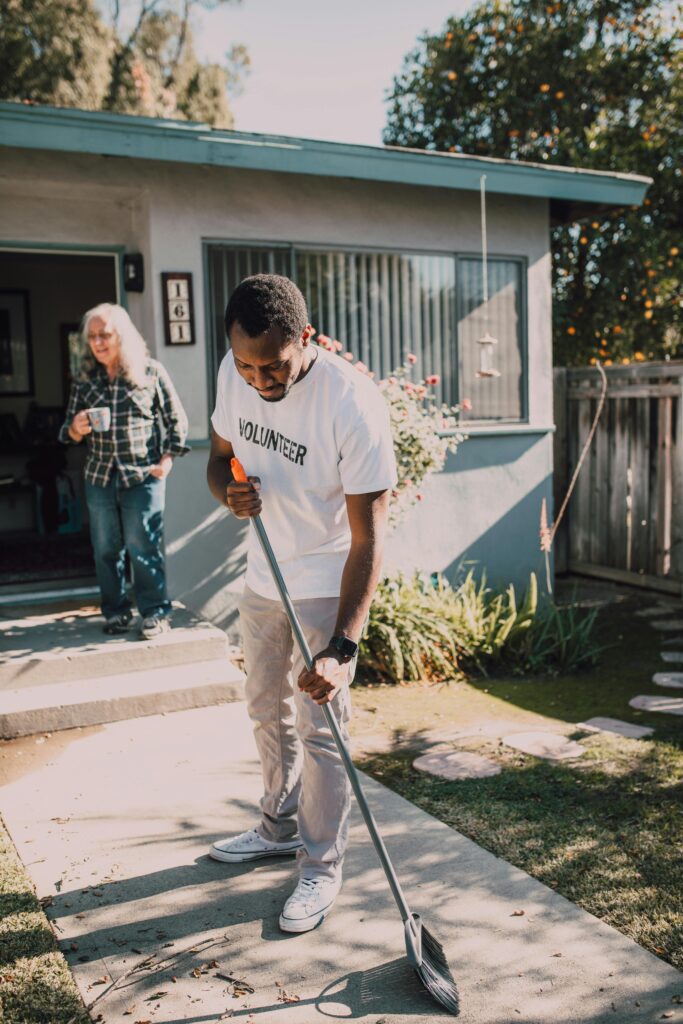
You’ll need help with things you used to do by yourself. You’ll have to ask people for assistance. You’ll have to accept that your body has limits now.
This is the hardest part of COPD for most people. It was definitely the hardest part for me.
I’ve always been independent. I don’t like asking for help. I don’t like feeling weak.
But here’s what I learned: Asking for help isn’t weakness. It’s being smart.
When you try to do everything yourself and push too hard, you wear yourself out. Then you can’t do anything for the rest of the day—or even the rest of the week.
When you accept help and save your energy, you can still do the things that matter most to you.
Examples of accepting help:
- Let someone else carry the heavy stuff
- Use a grocery delivery service instead of shopping yourself
- Get a shower chair so you can sit while you shower
- Ask family to help with housework
- Use tools that make things easier (long-handled grabbers, sock aids, etc.)
You’re not giving up. You’re being smart about your energy.
You only have so much energy each day. Use it on the things that matter most to you.

You’re Not Alone—Join Our Community
If you’re reading this and thinking, “Yes, that’s exactly what I’m going through,” I want you to know something important:
You are not alone.
Thousands of people are dealing with COPD right now. They’re struggling with the same things you are. They’re scared, frustrated, and trying to figure out how to live with this disease.
That’s why I created “Breathing Together”—a free community where people with COPD can share their experiences, ask questions, and support each other.
In our community, you can:
- Share your story and know people will understand
- Ask questions without feeling stupid
- Learn tips and tricks from people who are actually living with COPD
- Get support on the hard days
- Celebrate the small wins on the good days
It’s completely free. No credit card needed. No catch.
Just real people helping real people.
[Join “Breathing Together” Now]
Final Thoughts
Getting diagnosed with COPD changes your life. There’s no way around that.
But it doesn’t have to be the end of your life. You can still do things. You can still enjoy things. You can still have good days.
You just have to learn how to live differently.
Take your medications. Protect your lungs. Lose weight if you need to. Slow down. Accept help when you need it.
And most importantly, connect with other people who understand what you’re going through.
You’ve got this. And we’ve got you.
Related Articles You Might Find Helpful:
- Why Losing Weight Actually Helps You Breathe (And How to Do It When You Can Barely Move)
- The Truth About COPD Medications: What I Learned the Hard Way
- How to Shower with COPD Without Completely Exhausting Yourself

Hi, this is a comment.
To get started with moderating, editing, and deleting comments, please visit the Comments screen in the dashboard.
Commenter avatars come from Gravatar.