
“Why Losing Weight Actually Helps You Breathe (And How to Do It When You Can Barely Move)”
Why Losing Weight Actually Helps You Breathe (And How to Do It When You Can Barely Move)
Your doctor tells you, “You need to lose weight. It’ll help you breathe better.”
Okay, great. But HOW are you supposed to lose weight when you can barely walk to the mailbox without running out of breath?
That’s the part nobody explains, right?
Everyone acts like losing weight is simple. “Just eat less and move more.” Easy for them to say.
But when you have COPD, moving more feels impossible. You’re tired all the time. Walking across the room wears you out. The idea of “exercising” sounds like a bad joke.
Here’s the truth though: Losing weight really does make breathing easier.
I didn’t believe it when my doctor first told me. It sounded too simple. But I tried it, and I was shocked by the difference it made.
I’m going to share exactly what worked for me—even with severe COPD and barely being able to move. No gym required. No running. Just real, practical things you can actually do.
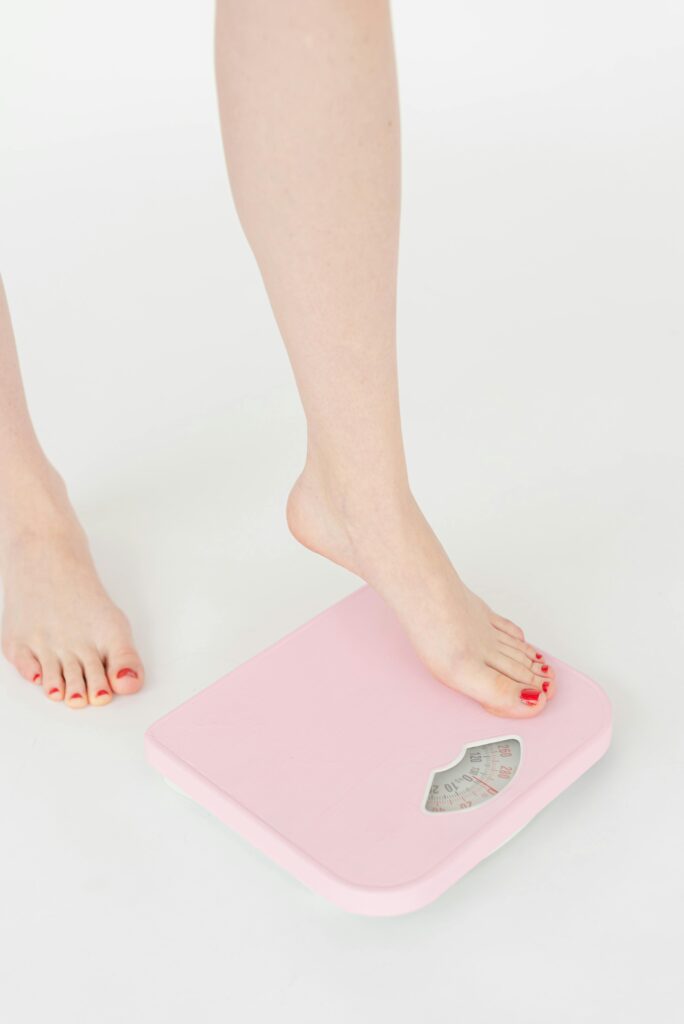
[IMAGE SUGGESTION 1: Person stepping on a scale, or “before and after” style image showing weight loss journey]
Why Does Weight Make Breathing Harder?
Let me explain this in simple terms.
When you’re carrying extra weight, your body has to work harder to do everything. Your heart has to pump harder. Your lungs have to work harder. Even just sitting still takes more effort.
Think about it like this: Imagine wearing a heavy backpack everywhere you go. Walking is harder. Climbing stairs is harder. Even standing still gets tiring.
That backpack makes everything more difficult. You get tired faster. You run out of breath quicker.
That’s what extra weight does to your body when you have COPD.
Your lungs are already damaged and not working well. When you add extra weight on top of that, your lungs have to work even harder just to keep you breathing.
Here’s what happens inside your body:
When you’re overweight, your belly pushes up against your diaphragm (that’s the muscle that helps you breathe). This makes it harder for your lungs to expand and take in air.
Also, fat tissue needs oxygen too. The more fat you have, the more oxygen your body needs. But your lungs can’t provide enough oxygen because they’re damaged from COPD.
So you end up in this bad cycle: Your body needs more oxygen, but your lungs can’t provide it, so you feel out of breath all the time.
When you lose weight, several good things happen:
- Your belly doesn’t push on your diaphragm as much
- Your lungs can expand more easily
- Your body needs less oxygen
- Your heart doesn’t have to work as hard
- You have more energy
My Experience: Every 5 Pounds Made a Difference
When I started trying to lose weight, I was skeptical. I thought, “How is losing a few pounds going to help? My lungs are damaged. Weight isn’t going to fix that.”
But I was wrong.
I started noticing something amazing: Every five pounds I lost made a real difference.
Not a huge, life-changing difference. But enough that I could feel it.
After losing five pounds, walking to the bathroom was a little easier. After ten pounds, I could take a shower without needing to sit down and rest for 20 minutes afterward. After fifteen pounds, I had more energy during the day.
It wasn’t a cure. I still had COPD. I still got out of breath. But everything was just a little bit easier.
And that “little bit easier” matters a lot when you’re struggling every single day.
I lost about 30 pounds total over several months. And I’m not going to lie—it made a bigger difference than I ever expected.
The Foods That Made My Breathing Worse
Here’s something I discovered that nobody warned me about: Certain foods made my breathing significantly worse.
I’m not talking about long-term health stuff. I’m talking about eating something and then an hour later feeling like I can’t breathe.
The worst culprit? Foods that caused bloating.
When my stomach was bloated and full of gas, it pushed up against my lungs. I literally couldn’t take a deep breath. It felt like someone was sitting on my chest.
Even simple things like brushing my teeth or walking to the kitchen became impossible when I was bloated.
Foods that made my breathing worse:
Heavy, greasy foods – Fried chicken, burgers, pizza. These sat in my stomach like a rock and made me feel stuffed and bloated for hours.
Beans and legumes – I love beans, but they made me so gassy and bloated that I couldn’t breathe. I had to stop eating them.
Carbonated drinks – Soda, sparkling water, beer. The bubbles filled up my stomach with gas and made breathing really hard.
Big meals – Eating too much at once was a huge problem. Even if the food was healthy, eating a large amount made my stomach push on my lungs.
Some dairy products – Milk and ice cream seemed to create more mucus in my lungs and made me feel congested.
Salty foods – Too much salt made me retain water and feel bloated and swollen.
Your problem foods might be different than mine. Everyone’s body is different.
Here’s what I want you to do: Pay attention to how you feel after eating.
If you notice you’re more out of breath an hour or two after eating certain foods, write it down. Do this for a week or two. You’ll start to see patterns.
Then try cutting out those foods for a week and see if you feel better.
For me, once I stopped eating the foods that made me bloated, breathing became noticeably easier.
How I Lost Weight Without Really “Exercising”
Let me be clear about something: I could not do traditional exercise.
Running? Forget it. I can barely walk. Going to the gym? Not happening. Even walking around the block was too much most days.
But I still lost weight. Here’s exactly what I did:
1. I Ate Smaller Meals More Often
Instead of eating three big meals a day, I ate five or six small meals.
Why this helped:
- I never got too full (which made breathing harder)
- My energy stayed more stable throughout the day
- I didn’t feel starving and then overeat
- My stomach never pushed on my lungs from being too full
What a small meal looked like for me:
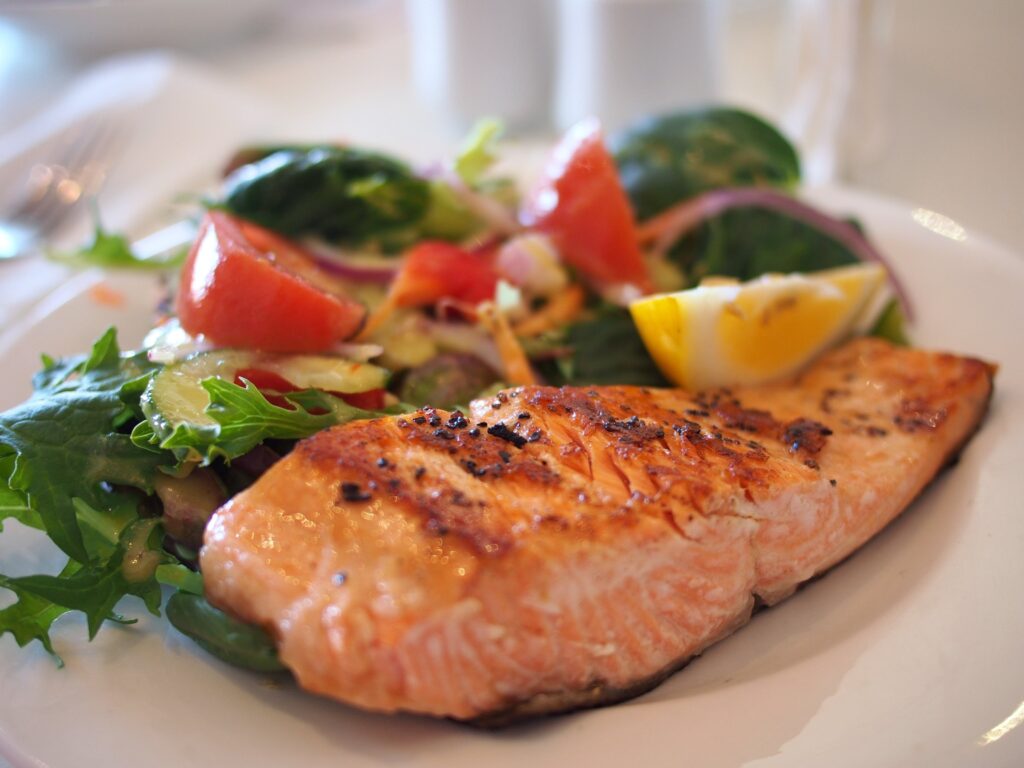
- A small bowl of oatmeal with fruit
- A turkey sandwich on one slice of bread
- A small piece of chicken with some vegetables
- Greek yogurt with berries
- A handful of nuts and an apple
Small. Simple. Nothing fancy.
2. I Cut Out Most Junk Food
I’m not going to lie and say I ate perfectly. I didn’t. I still had treats sometimes.
But I cut out most of the junk—chips, cookies, candy, fast food, soda.
Not because I’m some health nut, but because that stuff made me feel terrible.
After eating junk food, I felt:
- More tired
- More bloated
- More out of breath
- Worse overall
So I just stopped buying it. If it’s not in the house, I can’t eat it.
3. I Drank Way More Water
I started keeping a water bottle next to me all the time and sipping on it throughout the day.
Why this helped:
- Staying hydrated helped thin the mucus in my lungs
- It made breathing a little easier
- Sometimes when I thought I was hungry, I was actually just thirsty
- It helped me feel more full so I didn’t overeat
I aimed for about 8 glasses a day. Some days I hit it, some days I didn’t. But I tried.
4. I Moved When I Could—Even Just a Little Bit
I couldn’t exercise like a normal person. But I could do small movements throughout the day.
What I did:
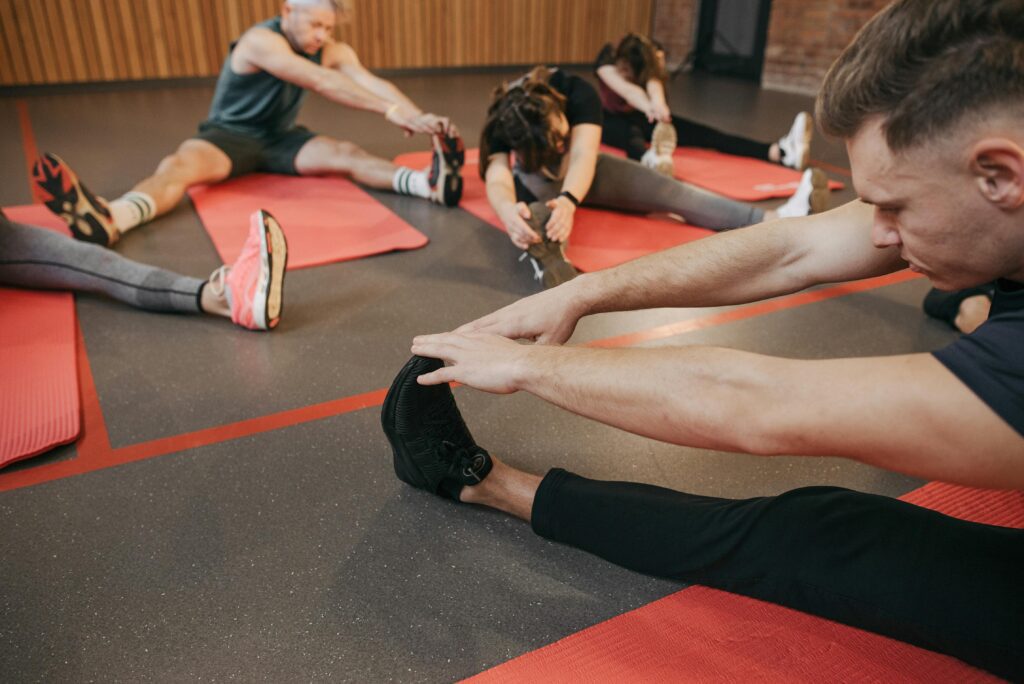
- Stood up and sat down 5-10 times (like mini squats)
- Lifted my arms up and down while sitting in a chair
- Walked to the kitchen and back a few times
- Marched in place for 30 seconds
- Did arm circles while watching TV
Was this “exercise”? Not really. But it was movement. And movement burns calories.
I did these little movements several times throughout the day. Maybe 5 minutes in the morning. 5 minutes in the afternoon. 5 minutes in the evening.
It added up.
The key was: I didn’t try to do too much at once. I did what I could, rested, then did a little more later.
5. I Focused on What I Could Control
I couldn’t control my COPD. I couldn’t control my damaged lungs. I couldn’t control the fact that I get out of breath easily.
But I could control what I put in my mouth.
That became my focus. Every meal, every snack, every drink—I made a choice.
Sometimes I made good choices. Sometimes I didn’t. But I kept trying.
The Breathing Exercises That Helped
While I was losing weight, I also started doing breathing exercises. These didn’t directly make me lose weight, but they made it easier to move around, which helped.
I read a book called Breathe that taught me simple techniques for exercising my lungs.
Here are the ones that helped me most:
Pursed-Lip Breathing
This is the easiest and most helpful one.
How to do it:
- Breathe in slowly through your nose for 2 counts
- Pucker your lips like you’re going to blow out a candle
- Breathe out slowly through your pursed lips for 4 counts
Why it helps: It keeps your airways open longer and gets more air out of your lungs.
I do this whenever I’m feeling out of breath or before I do any activity.
Diaphragmatic Breathing (Belly Breathing)
This helps you use your diaphragm (breathing muscle) better.
How to do it:
- Sit or lie down comfortably
- Put one hand on your chest and one on your belly
- Breathe in through your nose and try to make your belly rise (not your chest)
- Breathe out slowly through pursed lips
Why it helps: It strengthens your diaphragm and makes breathing more efficient.
I practice this for 5 minutes every morning.
Coordinated Breathing
This is breathing in rhythm with your movements.
How to do it:
- Breathe in before you do something
- Breathe out while you’re doing it
Example: If you’re standing up from a chair:
- Breathe in while you’re sitting
- Breathe out as you stand up
Why it helps: It prevents you from holding your breath during activities, which makes you less out of breath.
These breathing exercises didn’t make me lose weight, but they made me feel more in control of my breathing. And when I felt more in control, I was less afraid to move around.

It’s Not About Being Perfect
Look, I’m not going to tell you that losing weight with COPD is easy. It’s not.
It’s hard. Really hard.
You’re tired all the time. Moving hurts. Breathing is difficult. And food is one of the few pleasures you have left.
I get it. I really do.
But here’s what I want you to understand: You don’t have to be perfect. You just have to be a little bit better.
You don’t have to lose 50 pounds overnight. Start with five. See how you feel. Then lose another five.
You don’t have to eat perfectly every day. Just make better choices most of the time.
You don’t have to exercise for an hour. Just move a little bit, whenever you can.
Every small step helps.
And when you mess up (because you will—everyone does), don’t beat yourself up. Just start again the next day.
Progress, not perfection.
Tips to Make It Easier
Here are some practical tips that helped me stick with it:
Plan your meals ahead – When I knew what I was going to eat, I made better choices. When I didn’t plan, I ended up eating junk.
Keep healthy snacks ready – Cut-up vegetables, fruit, yogurt, nuts. Having them ready to eat made it easier to grab something healthy.
Eat sitting down at a table – When I ate in front of the TV or while standing, I ate more without realizing it.
Use smaller plates – This sounds silly, but it works. Smaller plates make portions look bigger, so you feel more satisfied.
Don’t keep junk food in the house – If it’s not there, you can’t eat it.
Track what you eat – I used a simple notebook. Writing down what I ate made me more aware of my choices.
Celebrate small wins – Lost two pounds? That’s awesome! Could walk a little farther today? Celebrate it!
What About You?
Have you noticed a difference when you’ve lost weight? What foods make your breathing worse? What tips have helped you?
I’d love to hear your experience.
Head over to “Breathing Together” and share your story. Your experience might be exactly what someone else needs to hear right now.
In our community, people share:
- What foods they’ve found that help or hurt
- Weight loss tips that actually work with COPD
- Encouragement on the hard days
- Celebrations of small victories
It’s free to join, and everyone there understands what you’re going through.
[Join “Breathing Together” Now]
The Bottom Line
Losing weight won’t cure your COPD. Let’s be clear about that.
But it can make breathing easier. It can give you more energy. It can make daily tasks less exhausting.
And when you’re dealing with COPD, anything that helps is worth doing.
You don’t have to do this perfectly. You don’t have to do it fast. You just have to keep trying.
Start small. Make one change today. Then another tomorrow.
Pay attention to what you eat and how it affects your breathing. Cut out the stuff that makes you feel worse. Add more of the stuff that helps.
Move when you can, even if it’s just a little bit. Every bit counts.
Be patient with yourself. This is hard. You’re dealing with a serious disease.
But you can do this. And we’re here to help.
Related Articles You Might Find Helpful:
- 5 Things I Wish Someone Told Me When I Was First Diagnosed with COPD
- The Truth About COPD Medications: What I Learned the Hard Way
- Simple Breathing Exercises That Actually Help with COPD