
The Truth About COPD Medications: What I Learned the Hard Way
Let's talk about something that confused me for years: COPD medications.
When I was first diagnosed, my doctor handed me a bunch of prescriptions with names I couldn't even pronounce. Inhalers, nebulizers, pills—there were so many of them.
I left the doctor's office with a bag full of medications and absolutely no idea what any of them actually did.
Which one do I take when I can't breathe? Which one do I take every day? What's the difference between all these inhalers?
Nobody explained it in a way I could understand.
So I made mistakes. Big ones. Mistakes that made my COPD worse and could have been avoided if someone had just explained things clearly.
I'm going to share what I learned so you don't have to learn it the hard way like I did.
Mistake #1: I Stopped Taking My Meds When I Felt Good
This was my biggest mistake. And it's a mistake a lot of people make.
Here's what happened: Sometimes I felt pretty good. I wasn't coughing as much. I could breathe okay. I could move around without getting too out of breath.
So I thought, "Why do I need all these medications if I'm feeling fine?"
So I stopped taking some of them.
Or I'd skip doses. Or I'd let my prescriptions run out and not bother refilling them right away.
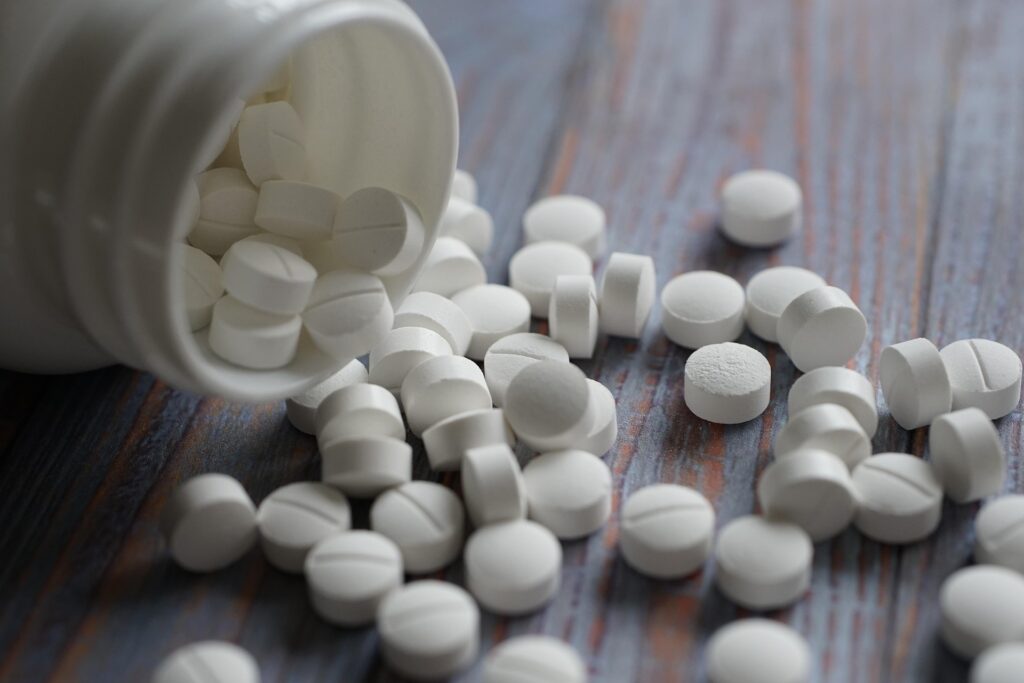
I mean, if I felt fine without them, they must not be doing anything, right?
Wrong. So, so wrong.
Here's what I didn't understand at the time: COPD medications aren't like pain medicine.
When you have a headache and take pain medicine, you feel better in 30 minutes. You know it worked. You can feel it.
COPD medications are different. Most of them work slowly, in the background. You don't feel them working, but they absolutely are.
Here's what they're doing that you can't feel:
- Keeping your airways open so air can flow better
- Reducing inflammation (swelling) in your lungs
- Preventing flare-ups and attacks
- Slowing down how fast the disease gets worse
- Protecting your lung function
When I stopped taking my medications, I didn't feel worse right away. That's the tricky part.
But over weeks and months, I got worse. Gradually. Slowly.
I got a little more tired. A little more out of breath. A little harder to do normal, everyday things.
I didn't connect it to stopping my medications because it happened so slowly.
Then I started taking them again, and I realized how much I had gone downhill.
Within a few weeks of being back on my medications, I felt better. Not great—I still had COPD. But better than I had been.
That's when it hit me: The medications had been working all along. I just couldn't feel it.
Think of it like this:
Imagine you're in a boat that has a small hole in it. Water is slowly leaking in. Your medications are like someone bailing water out of the boat.
You might not notice them doing it every second. But if they stop bailing, eventually your boat is going to fill up with water and sink.
That's what happens when you stop taking your COPD medications. Things get worse slowly, until one day you realize you're in trouble.
What you need to know:
- Take your medications every single day, even when you feel good
- Especially take them when you feel good—that's proof they're working
- Don't skip doses
- Don't run out—refill your prescriptions before you're completely out
- If you think a medication isn't working, talk to your doctor first before you stop taking it
Your daily maintenance medications are keeping you stable. Don't mess with that.

Mistake #2: I Didn't Understand What Each Medication Actually Did
For the longest time, I just took whatever the doctor prescribed without really understanding what each medication was supposed to do.
I had rescue inhalers, maintenance inhalers, pills, nebulizer treatments—and I had no clue which was which or why I needed all of them.
Once I finally learned what each type of medication did, everything made so much more sense.
Let me break it down in simple terms so you understand what you're taking and why.
Rescue Inhalers (Short-Acting Bronchodilators)
What they do: These open up your airways fast when you're having trouble breathing right now.
When to use them: When you're short of breath, wheezing, or having trouble breathing. They work quickly—usually within 5-15 minutes.
Think of these as your emergency help. Like calling 911 for your lungs.
Common names:
- Albuterol (ProAir, Ventolin, Proventil)
- Levalbuterol (Xopenex)
Important things to know:
- Keep one with you at all times
- Use it before activities that make you short of breath (like showering or walking)
- If you're using it more than twice a week, tell your doctor—that means your COPD isn't well controlled
How I use mine: I keep one in my pocket, one by my bed, and one in the bathroom. I use it before I shower, before I do any activity, and whenever I'm feeling short of breath.
Maintenance Inhalers (Long-Acting Bronchodilators)
What they do: These keep your airways open over time. They work slowly and last 12-24 hours.
When to use them: Every day, at the same time, whether you feel good or not.
These don't work immediately. You won't feel them kick in like a rescue inhaler. They build up in your system and work over the long term.
Think of these as your daily protection. Like taking vitamins, but way more important.
Common types:
LABAs (Long-Acting Beta-Agonists):
- Salmeterol (Serevent)
- Formoterol (Foradil, Perforomist)
LAMAs (Long-Acting Muscarinic Antagonists):
- Tiotropium (Spiriva)
- Umeclidinium (Incruse Ellipta)
- Aclidinium (Tudorza)
Important things to know:
- Take them every day, even when you feel fine
- Don't use them for sudden breathing problems—that's what rescue inhalers are for
- It might take a few weeks to feel the full benefit
- Missing doses makes them less effective
How I use mine: I take mine every morning right after I wake up. I set a phone alarm so I don't forget.
Combination Inhalers
What they are: These have two or three medications combined in one inhaler.
Why doctors prescribe them: It's easier to use one inhaler instead of two or three separate ones.
Common combinations:
LABA + Steroid:
- Advair (fluticasone + salmeterol)
- Symbicort (budesonide + formoterol)
- Breo Ellipta (fluticasone + vilanterol)
LABA + LAMA:
- Anoro Ellipta (umeclidinium + vilanterol)
- Stiolto Respimat (tiotropium + olodaterol)
LABA + LAMA + Steroid (Triple Therapy):
- Trelegy Ellipta (fluticasone + umeclidinium + vilanterol)
Important things to know:
- These are maintenance medications—take them every day
- They replace multiple separate inhalers
- Don't use them for sudden breathing problems
How I use mine: I use a combination inhaler twice a day—once in the morning, once at night. It's easier than juggling multiple inhalers.
Inhaled Corticosteroids (Steroids)
What they do: These reduce inflammation (swelling) in your lungs. Inflammation makes breathing harder, so keeping it under control is important.
When to use them: Every day, as prescribed. They work over time, not immediately.
Common names:
- Fluticasone (Flovent)
- Budesonide (Pulmicort)
- Mometasone (Asmanex)
Often these come combined with long-acting bronchodilators (see combination inhalers above).
Important things to know:
- Rinse your mouth with water after using them to prevent thrush (a mouth infection)
- They don't work immediately—it takes days or weeks to see the full benefit
- Don't stop taking them suddenly without talking to your doctor
Side effects to watch for:
- Hoarse voice
- Thrush (white patches in your mouth)
- Sore throat
How I use mine: Mine is part of my combination inhaler. I always rinse my mouth and spit after using it.
Oral Steroids (Prednisone)
What they do: These are strong anti-inflammatory medications you take as pills.
When doctors prescribe them: Usually during COPD flare-ups (exacerbations) when your breathing gets suddenly worse.
Common names:
- Prednisone
- Methylprednisolone (Medrol)
Important things to know:
- These are usually short-term (5-14 days)
- They can have significant side effects if used long-term
- Don't stop taking them suddenly—follow your doctor's instructions for tapering off
Side effects:
- Increased appetite and weight gain
- Trouble sleeping
- Mood changes
- Increased blood sugar
How I use them: Only when my doctor prescribes them during a flare-up. I follow the instructions exactly and don't stop early even if I feel better.
Antibiotics
What they do: Kill bacteria that cause lung infections.
When doctors prescribe them: When you have a COPD flare-up caused by a bacterial infection.
Important things to know:
- Take the full course, even if you feel better before it's done
- Stopping early can make the infection come back stronger
- Not all flare-ups need antibiotics—only ones caused by bacterial infections
How I use them: Only when prescribed. I always finish the full course.
Mucolytics (Mucus Thinners)
What they do: Help thin and loosen mucus so it's easier to cough up.
Common names:
- Guaifenesin (Mucinex)
- N-acetylcysteine
When to use them: When you have a lot of thick mucus that's hard to cough up.
How I use them: I take these when I'm having a flare-up and have a lot of mucus. Drinking lots of water helps too.
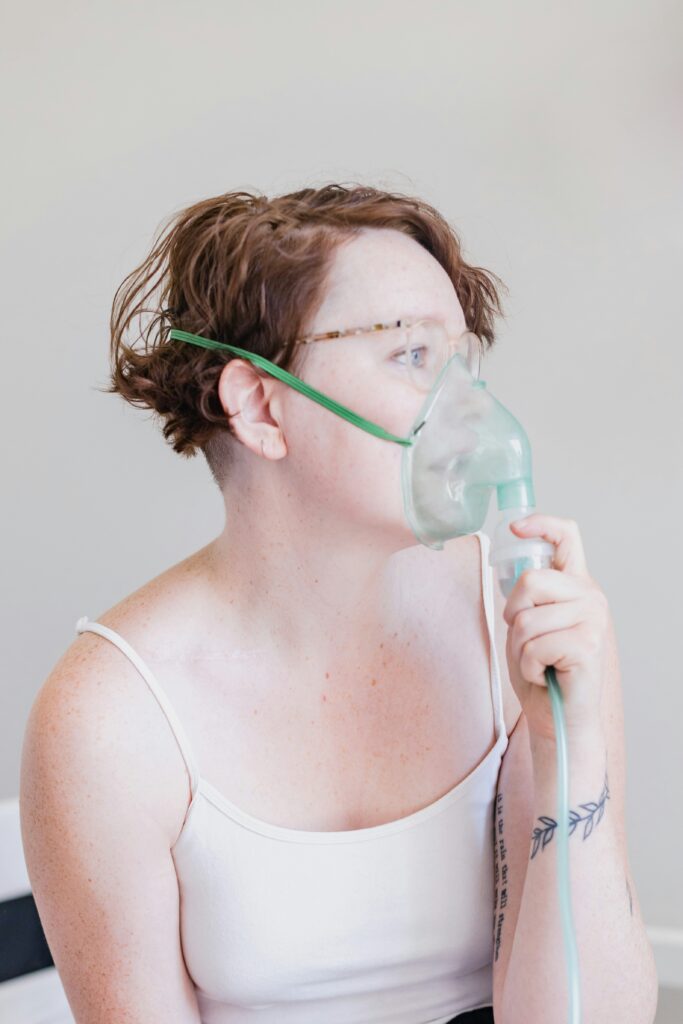
Oxygen Therapy
What it is: Supplemental oxygen delivered through a nasal cannula or mask.
When it's prescribed: When your blood oxygen levels are too low.
Important things to know:
- Use it exactly as prescribed (certain hours per day, certain flow rate)
- Don't adjust the flow rate on your own
- Keep away from open flames and heat sources
- It's not addictive—your body needs the oxygen
How I use mine: I'm on oxygen most of the time now. I use it as prescribed and always have a backup tank.
[IMAGE SUGGESTION 3: Chart or infographic showing different types of COPD medications and when to use each one]
Mistake #3: I Didn't Use My Inhalers Correctly
This one's embarrassing, but I'm going to admit it: I wasn't using my inhalers correctly for years.
I thought you just puff and breathe. Simple, right?
Wrong.
If you don't use your inhaler the right way, the medication doesn't get deep into your lungs where it needs to go. You're basically wasting it.
It's like trying to water a plant by spraying water in the air above it. Some might land on the plant, but most of it misses.
My doctor finally watched me use my inhaler one day and said, "Oh, that's not right. Let me show you."
I'd been doing it wrong for years.
Here's the right way to use most inhalers:
For MDI (Metered-Dose Inhalers) - The Kind You Press Down
Step 1: Shake the inhaler well (if it's the kind that needs shaking—read the instructions)
Step 2: Breathe out completely. Get all the air out of your lungs.
Step 3: Put the inhaler in your mouth and close your lips tightly around it. Or hold it 1-2 inches from your open mouth (ask your doctor which way is best for your inhaler).
Step 4: Start breathing in slowly through your mouth. As you start breathing in, press down on the inhaler to release the medication.
Step 5: Keep breathing in slowly and deeply.
Step 6: Hold your breath for about 10 seconds (or as long as you comfortably can). This lets the medication settle deep in your lungs.
Step 7: Breathe out slowly through your nose or pursed lips.
Step 8: If you need a second puff, wait about 1 minute, then repeat.
Common mistakes people make:
- Breathing in too fast (the medication hits the back of your throat instead of going into your lungs)
- Not breathing in at the same time as pressing the inhaler
- Not holding their breath afterward
- Taking puffs too close together
Using a Spacer Makes It Easier
A spacer is a tube or chamber that attaches to your inhaler. It makes using the inhaler much easier and more effective.
Why spacers help:
- You don't have to coordinate breathing and pressing at the exact same time
- More medication gets into your lungs instead of your mouth
- Less medication sticks to the back of your throat
- Reduces side effects
How to use an inhaler with a spacer:
Step 1: Attach the spacer to your inhaler
Step 2: Shake the inhaler (if needed)
Step 3: Breathe out completely
Step 4: Put the spacer mouthpiece in your mouth and close your lips around it
Step 5: Press down on the inhaler once to spray the medication into the spacer
Step 6: Breathe in slowly and deeply through your mouth
Step 7: Hold your breath for 10 seconds
Step 8: Breathe out through the spacer or remove it and breathe out
I use a spacer with all my MDI inhalers now. It's so much easier.
Ask your doctor or pharmacist for a spacer. Some insurance companies cover them.
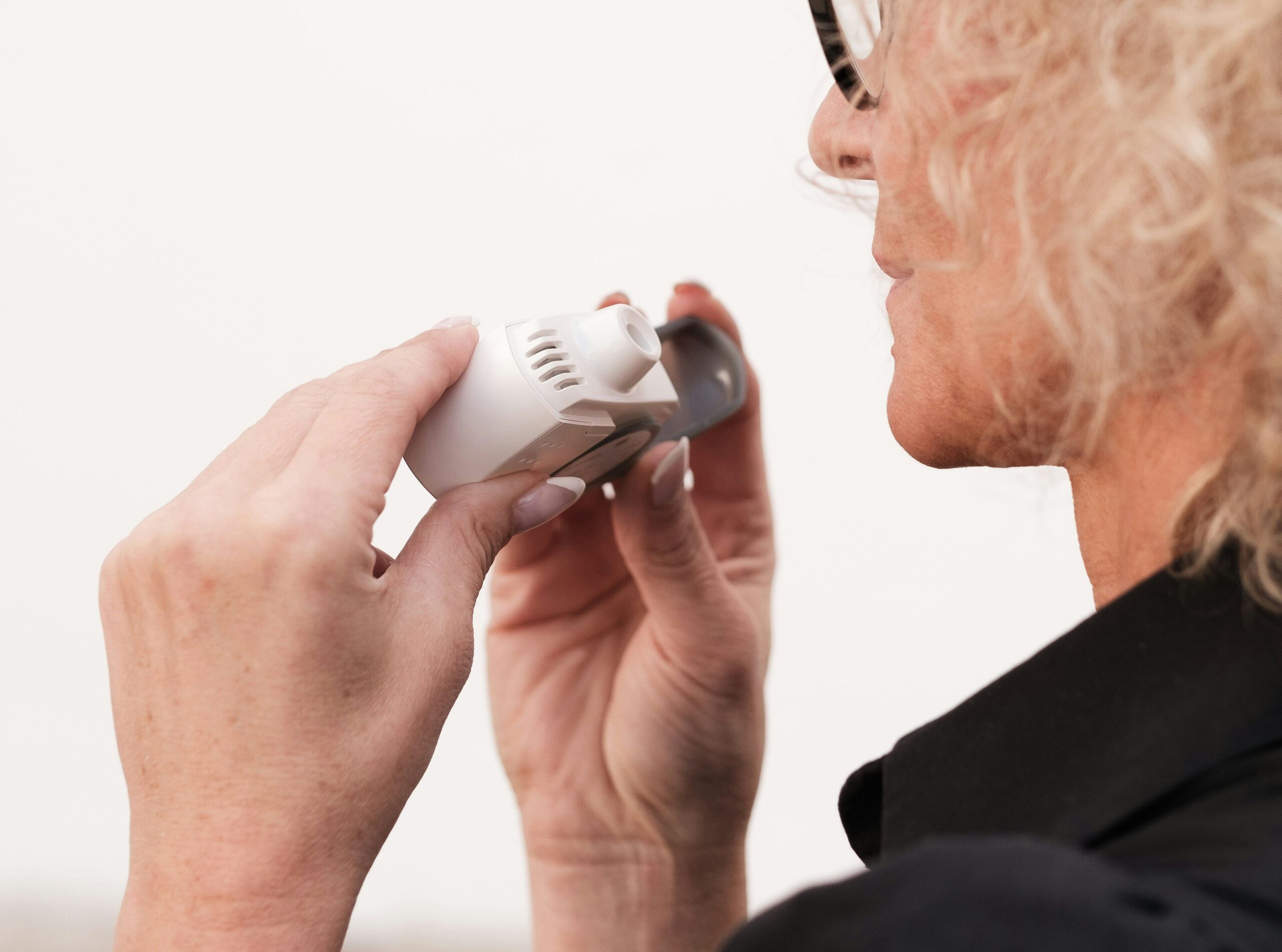
For DPI (Dry Powder Inhalers) - The Kind You Breathe In
These are different. You don't press anything. You breathe in the powder.
Common DPIs:
- Spiriva HandiHaler
- Advair Diskus
- Breo Ellipta
- Anoro Ellipta
How to use them:
Step 1: Load the dose according to the instructions (each type is different)
Step 2: Breathe out completely (away from the inhaler—don't blow into it)
Step 3: Put the mouthpiece in your mouth and close your lips tightly around it
Step 4: Breathe in quickly and deeply (this is different from MDIs—you need to breathe in fast and hard to pull the powder into your lungs)
Step 5: Hold your breath for 10 seconds
Step 6: Breathe out slowly away from the inhaler
Important: Don't breathe out into the inhaler—it can make the powder clump up.
Ask for a Demonstration
If you're not sure you're using your inhaler correctly, ask your doctor or pharmacist to watch you use it and correct you.
Seriously. Don't be embarrassed. Most people don't use them correctly.
It's better to ask and learn the right way than to waste your medication and not get the full benefit.
Mistake #4: I Didn't Keep Track of Refills
I can't tell you how many times I ran out of medication because I didn't refill my prescription in time.
I'd be down to my last few doses and think, "I'll refill it tomorrow."
Then I'd forget. Or the pharmacy would be out of stock. Or my insurance would need prior authorization and it would take days to get approved.
And then I'd be without my medications for days or even weeks.
This is bad. Really bad.
When you stop taking your COPD medications, even for a few days, your lungs start to get worse. You might not feel it right away, but it's happening.
Here's what helps:
Set Reminders
I set reminders on my phone for when I'm getting low on medications.
When I have about a week's worth left, my phone reminds me to call in the refill.
This gives me time to deal with any problems (pharmacy out of stock, insurance issues, etc.) before I completely run out.
Use Automatic Refills
Many pharmacies offer automatic refills. They'll refill your prescriptions automatically every month and text you when they're ready.
This is a lifesaver. I don't have to remember—they do it for me.
Keep a Medication List
I keep a list of all my medications, including:
- Name of the medication
- Dosage (how much)
- How often I take it
- What it's for
- Prescription number
I keep this list on my phone and also printed out in my wallet.
This is helpful when:
- I need to call in refills
- I go to a new doctor
- I have an emergency and need to tell someone what medications I'm on
Order Refills Early
Don't wait until you're completely out. Order refills when you have about a week's supply left.
This gives you a buffer in case there are any delays.
Talk to Your Pharmacist
If you're having trouble affording your medications or getting them refilled on time, talk to your pharmacist.
They might be able to:
- Set up automatic refills
- Help you find discount programs
- Suggest generic alternatives that cost less
- Coordinate with your doctor for prior authorizations
Don't just go without your medications because of cost or convenience issues. Ask for help.

Mistake #5: I Didn't Rinse My Mouth After Using Steroid Inhalers
This seems like a small thing, but it's important.
If you use an inhaled steroid (or a combination inhaler that contains a steroid), you need to rinse your mouth with water after using it.
Here's why: Some of the medication sticks to your mouth and throat. If you don't rinse it out, it can cause:
Thrush - A fungal infection in your mouth that causes white patches, soreness, and pain
Hoarse voice - The steroid can irritate your vocal cords
Sore throat
I got thrush once because I wasn't rinsing my mouth. It was painful and annoying.
Now I always rinse.
How to do it:
- After using your steroid inhaler, take a sip of water
- Swish it around in your mouth
- Gargle a little
- Spit it out (don't swallow)
That's it. Takes 10 seconds and prevents problems.
The Bottom Line: Your Medications Are Keeping You Alive
I know it's frustrating to take so many medications. I know it's expensive. I know it's a hassle.
But here's the truth: Your COPD medications are keeping you alive and functioning.
They're not curing you. They're not making you feel like you did before you got sick.
But they're doing important things:
- Keeping your airways open so you can breathe
- Reducing inflammation in your lungs
- Preventing flare-ups that could land you in the hospital
- Slowing down how fast the disease gets worse
- Helping you maintain the lung function you have left
Without them, you will get worse. Faster.
I learned this the hard way. Don't make the same mistake I did.
Take your medications. Every day. The right way. On time.
What You Should Do Right Now
Here are some action steps you can take today:
1. Make sure you understand what each of your medications does
If you don't know, ask your doctor or pharmacist. Write it down.
2. Check that you're using your inhalers correctly
Ask your doctor or pharmacist to watch you use them and correct your technique if needed.
3. Set up reminders for refills
Don't wait until you're out. Set phone reminders or use automatic refills.
4. Keep a medication list
Write down all your medications and keep it with you.
5. If you're having trouble affording your medications, ask for help
Talk to your doctor or pharmacist about:
- Generic alternatives
- Patient assistance programs
- Discount cards
- Samples
Don't just stop taking them because of cost. There are options.
Join the Conversation
What's your experience with COPD medications? Have you made any of these mistakes? What have you learned?
In our community, people talk about:
- Which medications work best for them
- Tips for remembering to take medications
- How to afford expensive medications
- Side effects and how to manage them
- Questions about their treatment
It's free to join, and everyone there understands what you're going through.
[Join "Breathing Together" Now]
[Join "Breathing Together" Now]
Final Thoughts
COPD medications can be confusing. There are so many of them, with complicated names, and it's hard to understand what they all do.
But they're important. Really important.
They're not going to cure you. But they're going to help you breathe better, feel better, and live longer.
Take them seriously. Take them correctly. Take them every day.
Learn what each one does. Ask questions when you don't understand. Get help if you're having trouble affording them or remembering to take them.
Your medications are one of the most important tools you have for managing COPD.
Don't make the mistakes I made. Learn from them instead.
You've got this. And we're here to help.
Related Articles You Might Find Helpful:
- 5 Things I Wish Someone Told Me When I Was First Diagnosed with COPD
- Why Losing Weight Actually Helps You Breathe (And How to Do It When You Can Barely Move)
- How to Shower with COPD Without Completely Exhausting Yourself